
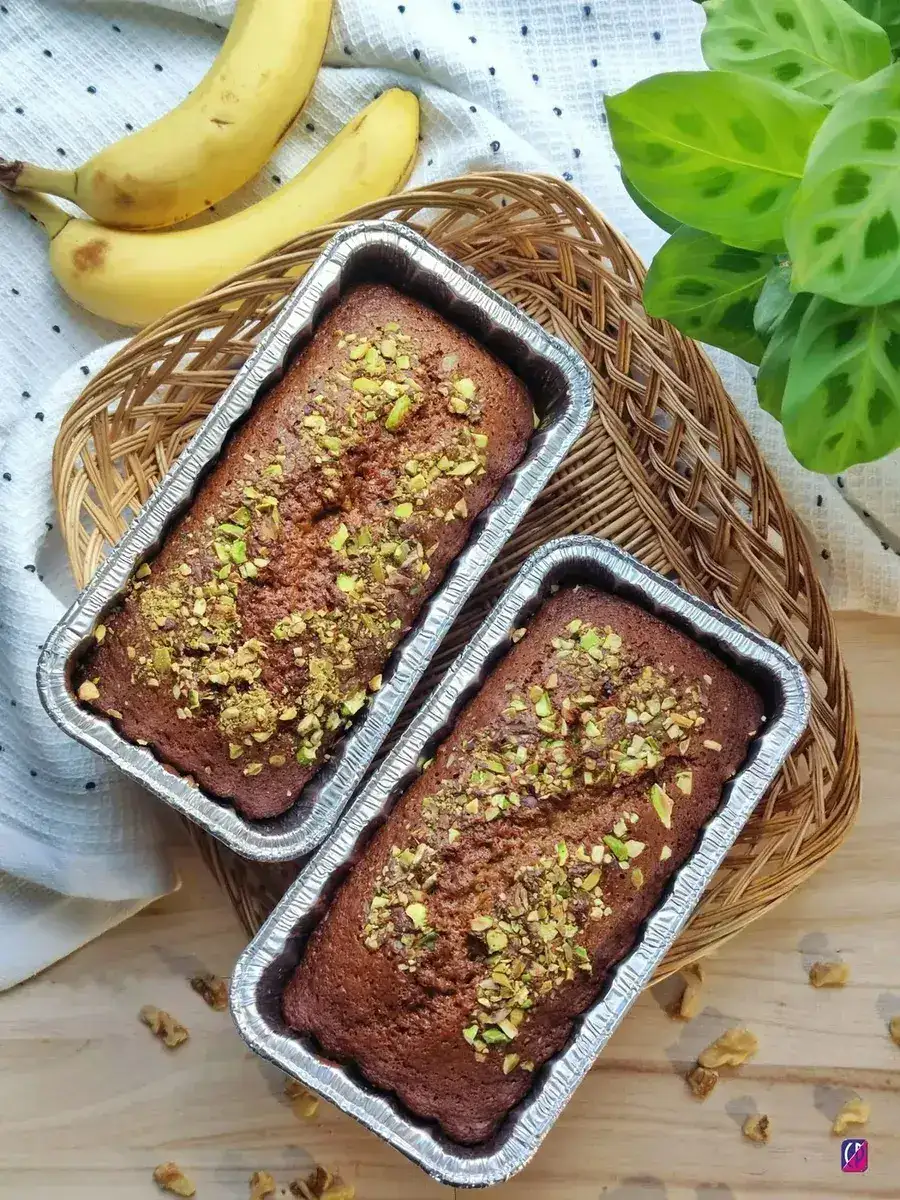
Foil containers get treated as a catering-only afterthought by a lot of buyers, which means they're often under-specified for exactly the jobs they're best at - anything that needs to survive direct heat. Here's how to think through sizing, oven-safety and format choice for foil specifically.
When foil genuinely beats plastic
Foil's one genuinely unique property among common packaging materials is that it can go straight from the fridge or freezer into an oven or over a direct flame without deforming or melting. No plastic or paper container can do that. That makes foil the right default for anything that's packed to be reheated by the end customer - home-delivery meals meant to go in an oven, catering trays destined for a chafing dish, or bakery items that need a quick grill or oven finish before serving. Outside of that specific need, plastic or paper containers are often more cost-effective, so the decision to use foil should usually start from "does this need to go near heat again," not from habit. Our foil container range covers round, oval and rectangular formats across a spread of capacities.
Sizing foil containers to the dish, not the shelf
The same sizing discipline that applies to plastic containers applies to foil - match capacity to what's actually going in, rather than defaulting to whatever size is already stocked. Foil containers that are too shallow overflow under a full portion or a bubbling sauce during reheating; ones that are too large waste both foil cost and, for catering, buffet counter space. For anything meant for oven reheating specifically, leave a little more headroom than you would for a cold-pack container, since some dishes expand slightly with heat.
- Match container depth and footprint to the specific dish, not a generic "one size" default
- Leave extra headroom for dishes that expand or bubble under reheating
- Check that your chosen size nests and stacks cleanly if you're also using it for storage
Oven-safe and reheating considerations
Not every foil container on the market is rated the same way for direct oven use - wall thickness and any coating matter, and it's worth confirming with your supplier what temperature range and duration a specific container format is rated for before printing "oven-safe" instructions on your packaging or promising it to customers. Board-lid foil containers (foil base with a cardboard lid) are common for takeaway meals meant for home reheating, since the lid typically needs to be removed before the container goes in the oven - make sure that's clear to the end customer if the dish is genuinely meant to be reheated in its container, or you risk a customer trying to oven a lid that isn't rated for it.
Plain vs coloured or board-lid foil containers
Plain foil containers are the standard, most cost-effective option for catering trays and back-of-house use where presentation doesn't matter as much as function. Coloured foil containers and board-lid formats add a presentation layer that's worth the small premium for guest-facing delivery or retail packaging, where the container itself is part of what the customer sees when the order arrives. As with most packaging decisions, it's reasonable to run plain foil for bulk catering and a nicer coloured or board-lid format for retail and delivery orders that reach the customer directly.
A quick checklist before ordering foil
- Confirm whether the container needs to be genuinely oven-safe before committing to a format
- Size to the specific dish, with extra headroom for anything that expands under heat
- Check board-lid instructions are clear if the container is meant for customer reheating
- Use plain foil for back-of-house and bulk catering, coloured or board-lid for guest-facing orders
For buffet and event-scale foil tray use specifically, see our catering & event packaging guide. And for a wider comparison of when foil, plastic or paper each make sense, our food container buying guide covers the full material picture.
Related Content
Related Products
Related Industries
Need the right foil format?
Tell us your dish types and whether reheating is involved and we'll help you shortlist sizes.