
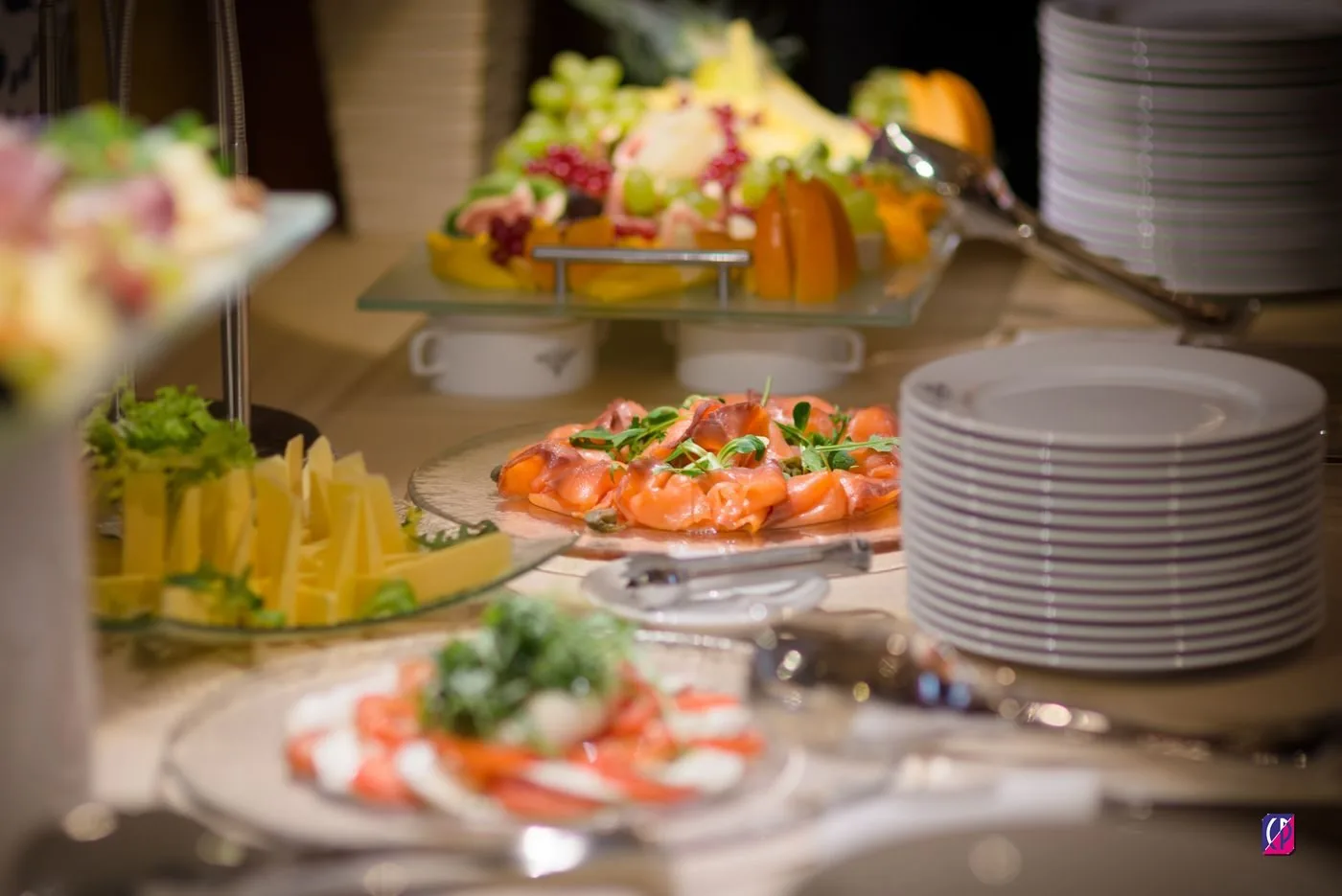
Catering and event packaging is less about presentation standards and more about logistics at volume - getting the right quantities, the right formats and the right buffer stock to a venue on a fixed date, with no second chance if something runs short. This is a different discipline from day-to-day hospitality packaging, and worth planning separately.
Event packaging is a logistics problem before it's a presentation problem
A hotel restaurant can quietly reorder a container format mid-week if something runs low. A wedding, corporate event or large buffet booking doesn't get that flexibility - the order has to be complete, correct and on-site before service starts, because there's no same-day fallback once guests are seated. That changes how you should plan: event packaging needs to be ordered against guest count with a buffer, confirmed well ahead of the date, and checked against the actual service style (plated, buffet, live counters) rather than a generic "per head" estimate.
Our foil container range, takeaway container range and tissue and napkin range are the formats most catering and event orders draw from, and ordering all three together for one event rather than piecemeal reduces the number of delivery windows you're depending on before the date.
Bulk ordering: buffer stock, lead time and the cost of running short
Running short of a container or tray format mid-service is one of the most visible failures a catering business can have - it's immediate, visible to guests, and hard to recover from gracefully. The standard practice is to order a buffer above your exact per-head calculation, typically enough to cover a moderate swing in actual attendance versus RSVP count, plus any breakage or setup wastage. Lead time matters just as much as quantity - confirming your format and quantity with enough runway before the event date avoids last-minute substitutions that don't match your table setting or presentation plan.
- Calculate quantities against expected attendance plus a reasonable buffer, not the exact headcount
- Confirm formats and quantities well ahead of the event date, not the week of
- Order foil, containers and napkins together for one event to reduce delivery dependencies
- Keep a small contingency stock of the most-used formats on hand for last-minute changes
Foil trays for buffet service: sizing and reheating
Foil trays earn their place at buffet-scale catering because they do two things plastic and paper formats can't: go directly into an oven or chafing setup for reheating, and hold up structurally under the weight of a full buffet portion without flexing. Sizing matters more than it looks - a tray too shallow overflows or requires more frequent refilling mid-service, while an oversized tray for a smaller dish looks under-filled and wastes both product visibility and tray cost. Match tray depth and footprint to the specific dish's typical serving volume, the same way you'd size a takeaway container to a menu item, and confirm the trays you're using are rated for direct chafing-dish or oven heat if that's part of your service plan.
Table settings at scale: matching format to guest count and service style
Plated sit-down service, buffet service and cocktail-style events each call for a different packaging and disposable mix. Plated service needs consistent, presentation-grade plates and cutlery in exact per-guest counts; buffet service needs sturdier serving-side trays and a higher margin of disposable plates and napkins since guests often take more than one round; cocktail and standing events lean heavily on napkins, small plates and easy one-handed formats. Planning your order around the actual service style - not a flat per-head packaging estimate - avoids both under-ordering the format guests actually use most and over-ordering one they barely touch.
A quick checklist before a catering or event order
- Confirm quantities against expected attendance plus buffer, not exact RSVP numbers
- Lock in formats and order well ahead of the event date to avoid last-minute substitutions
- Size foil trays to actual dish volume and confirm oven or chafing-dish suitability
- Match your table-setting mix to the real service style - plated, buffet or standing
- Keep a small contingency stock of your most-used formats for on-the-day changes
For institutional or thali-style compartment service at events, our trays & compartment packaging guide covers meal-tray formats in more depth. And for a closer look at foil sizing and oven-safe considerations specifically, see our foil containers buying guide.
Related Content
Related Industries
Planning an event order?
Send us your guest count and service style and we'll help you work out quantities and buffer stock.