
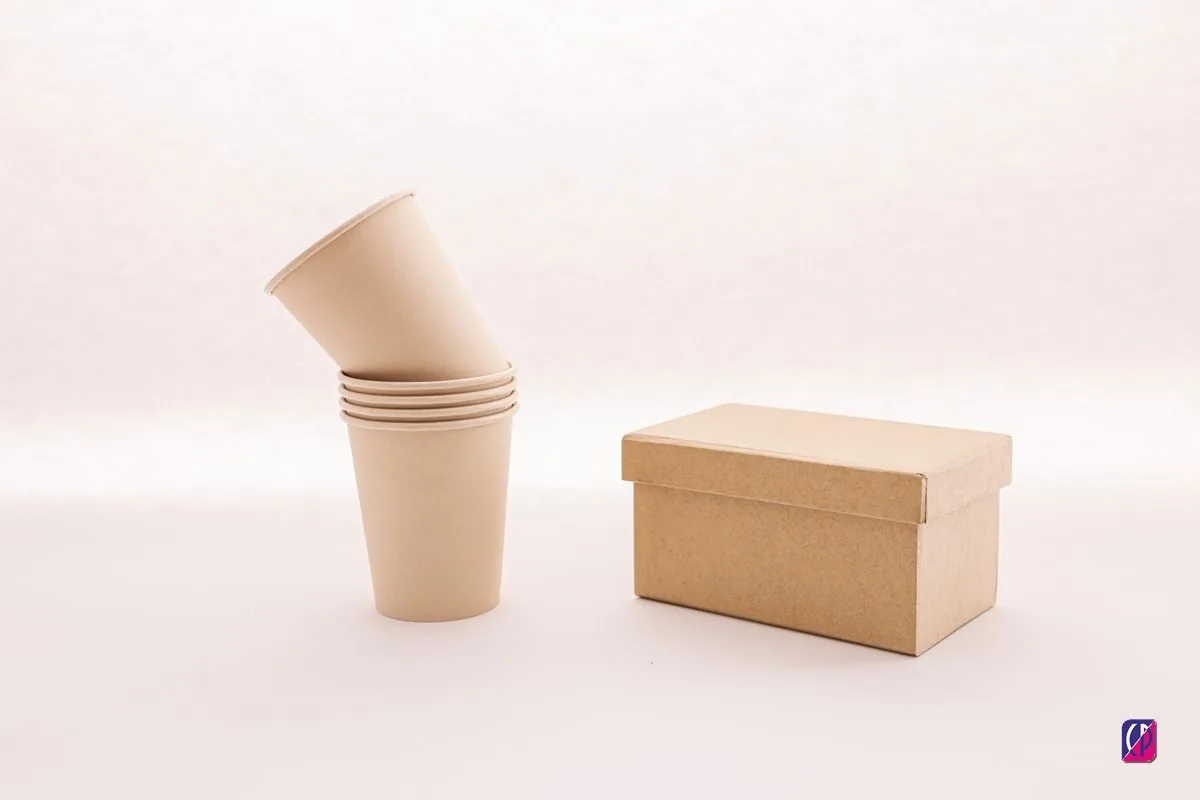
Cups look like a simple, interchangeable line item on a supply order - until a customer burns their hand on a single-wall cup holding filter coffee, or a cold drink sweats through a cup that wasn't rated for it. Getting cup and glass selection right is mostly about matching wall construction and material to what's actually being poured, not picking whatever's cheapest per hundred.
Single-wall vs double-wall (ripple): what the difference actually solves
A single-wall paper cup is exactly that - one layer of cup-stock paper with a thin poly lining. It's perfectly fine for lukewarm beverages, cold drinks, or any hot drink that will be held briefly or served with a sleeve. The problem shows up with genuinely hot beverages - filter coffee, chai, soup - held bare-handed for more than a few seconds: heat transfers straight through the single wall, and customers either fumble the cup or grip it awkwardly, both of which increase spill risk.
Double-wall (ripple) cups solve this with a corrugated or air-gapped outer layer that insulates the hand from the heat of the contents, without needing a separate cardboard sleeve. They cost more per piece than single-wall, but for any business serving hot beverages bare-handed at volume - cafés, hot-beverage counters, filter coffee stalls - the extra cost is usually smaller than the combined cost of sleeves plus the complaint and spill risk of an under-insulated cup. Our food & beverage packaging range covers both single-wall and ripple double-wall formats across standard volumes.
Sizing cups to your actual drink menu, not round numbers
It's tempting to standardise on one or two "universal" cup sizes, but a filter coffee, a large cold coffee and a fresh juice rarely share a sensible fill volume. Oversized cups make a small pour look stingy and waste cup cost on headspace that's never filled; undersized cups force either a messy near-full pour or a visibly short-poured drink that reads as poor value to the customer. Map your actual beverage menu - by volume, not by name - to the closest standard cup size in your range, the same way you'd size a food container to a menu item.
- List your beverage menu by actual served volume, not by "small/medium/large" labels alone
- Match each drink to the closest standard cup capacity rather than rounding up by default
- Keep headspace consistent - a lid-fitted cup needs a small buffer, but not an inch of empty cup
- Re-check sizing whenever a recipe or portion spec changes, since cup needs shift with it
Hot cups vs cold cups: it's not just a sizing question
Beyond insulation, hot and cold cups differ in how they handle moisture and structural load. A cup built for hot beverages is designed to resist softening from heat and steam; a cup built for cold beverages needs to resist condensation weakening the walls or the base seam over the time a customer typically holds it. Using a cold-rated cup for a hot drink risks the cup going soft and unstable in the customer's hand; using a hot-rated cup for a heavily iced cold drink can mean it doesn't handle condensation as cleanly and gets slippery faster. If your menu covers both hot and cold drinks at volume, it's worth stocking cups rated for each rather than trying to force one line to do both jobs.
Plastic glasses for cold beverages and desserts
For cold beverages, shakes, mocktails and layered desserts, clear plastic glasses often outperform paper cups on presentation - customers can see the layers or the drink colour, which matters for anything marketed on visual appeal. Plastic glasses also handle condensation and ice contact better over a longer serve time than a paper cup will. The trade-off is cost and, for some businesses, a sustainability consideration versus paper-based cups; our bagasse & areca leaf tableware range and compostable options are worth a look if that trade-off matters to your brand positioning, though rigidity for cold, condensing drinks should be tested before switching your full glass line.
A quick checklist before ordering cups and glasses
- Use double-wall (ripple) cups for any hot beverage served and held bare-handed
- Size cups to actual served volume across your real beverage menu, not generic labels
- Stock separate hot-rated and cold-rated cup lines if your menu spans both
- Use clear plastic glasses where visual presentation of the drink matters to the sale
- Re-test sizing and material fit whenever your beverage recipes or portions change
For the dine-in side of service more broadly, our restaurant & QSR packaging guide covers portion consistency and cost-per-cover. And if you're weighing paper against plastic more generally across your menu, see our paper vs plastic packaging comparison.
Related Content
Related Industries
Not sure which cup size fits your menu?
Send us your beverage list and volumes and we'll help you map it to the right cup and glass formats.