
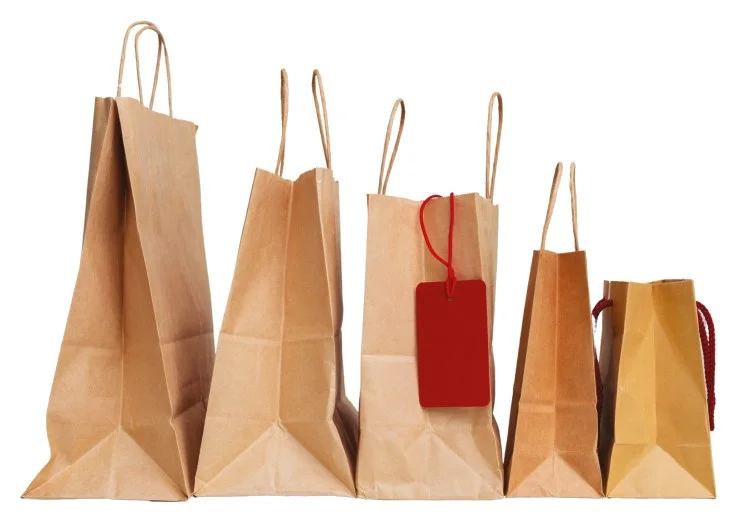
Carry bags are one of the simplest packaging categories on paper, and one of the easiest to get wrong on ordering - the wrong size wastes money on every single order, and the wrong material can quietly fail exactly when a bag is loaded and handed to a customer. Here's how to think through the category properly.
Carry bags vs garbage bags: a distinction worth being precise about
These sit in the same general category in most supplier catalogues but serve completely different purposes, and mixing up stock or specs between them is a surprisingly common error in busy back-of-house operations. Carry bags are customer-facing - they need to look presentable, hold weight without tearing in front of the customer, and often carry branding. Garbage bags are purely functional back-of-house waste-handling stock, judged on tear-resistance and thickness rather than appearance. Keep these as clearly separate line items in your ordering and storage, both to avoid running short of customer-facing stock and to avoid the embarrassing mix-up of handing a customer a bag meant for waste. Our carry bags & garbage bags range covers both categories, including biodegradable roll options for garbage bags.
Paper vs plastic carry bags: cost, strength, perception
Plastic carry bags are typically cheaper and handle weight and moisture better - useful for wet takeaway orders or heavier retail purchases. Paper carry bags cost more, are more sensitive to moisture (a wet or oily container can weaken a paper bag's base quickly), but read as more premium and align with a lot of customers' sustainability expectations, particularly for retail and gifting contexts. If your bags regularly carry wet or oily food packaging, plain paper without any reinforcement is a genuine risk of bag failure at the worst moment - reinforced-base paper bags or a plastic option are the safer choice there.
- Use plastic or reinforced-base paper for anything wet, oily or heavy
- Use standard paper bags for dry retail goods where presentation matters more than load tolerance
- Test your actual heaviest order in a sample bag before committing to a bulk order of a new format
Sizing carry bags to what actually goes inside
The same sizing discipline that applies to containers applies here - an oversized bag looks stingy and wastes bag cost per order, while an undersized bag risks tearing, spilling, or simply looking unprofessional when a customer has to awkwardly balance an overflowing bag. Map your bag sizes to your actual most common order compositions - a single-item takeaway order, a multi-item family order, a retail purchase of a given size - rather than stocking one "medium" bag for everything.
Branding considerations: printed bags vs plain stock
Printed, branded bags are a real marketing asset for a customer-facing business - every bag that leaves your premises is a small, mobile advertisement, particularly for retail and bakery businesses where customers carry the bag through public spaces. The trade-off is cost and minimum order quantity, since custom printing usually requires a larger bulk commitment than plain stock. For a smaller or newer business, plain bags with a simple sticker or stamp can deliver some of the branding benefit at a fraction of the printed-bag commitment, while you validate volume before committing to a full custom print run.
A quick checklist before ordering carry bags
- Keep carry bags and garbage bags as clearly separate stock - never let them get mixed up
- Choose material based on what's actually going inside - wet/heavy needs plastic or reinforced paper
- Size bags to your real order composition, not a single "one size fits most" default
- Weigh printed branding against plain stock plus a sticker for lower-volume or newer operations
For a broader look at when paper versus plastic makes sense across your whole packaging range, see our paper vs plastic comparison. And for produce-specific retail packaging like crates and punnets, our agri & retail packaging guide covers that category.
Related Content
Related Products
Related Industries
Need the right bag sizes for your business?
Tell us your order mix and we'll help you shortlist carry bag sizes and materials.