
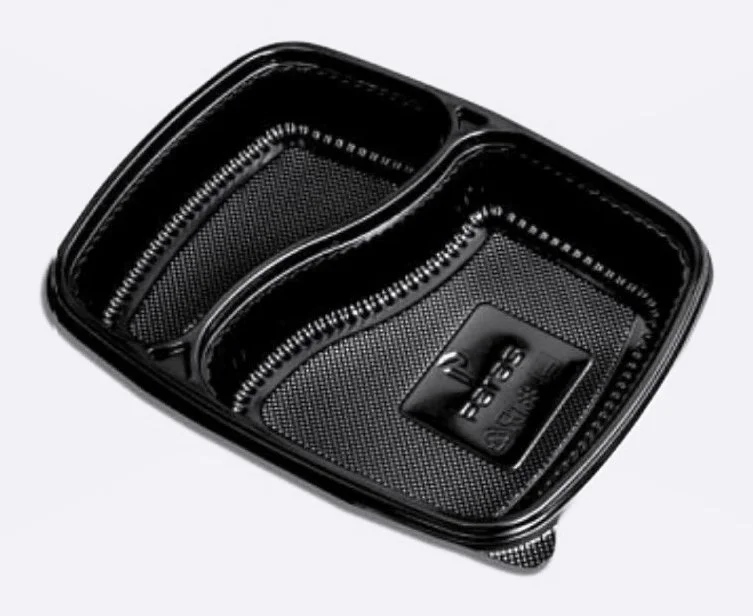
Compartment trays solve a problem single containers can't - serving several distinct dishes in one pack without flavours bleeding into each other or a delicate item getting crushed under a heavier one. For thali-style meals, institutional catering and multi-item combo service, getting compartment count and layout right matters more than most buyers initially expect.
What compartment packaging solves that a single container can't
A single undivided container works fine for a one-dish order, but the moment a meal includes rice, a curry or two, a side and perhaps a sweet, packing them together in one open container means sauces mix, textures go soggy against each other, and the meal looks messy by the time it's opened. Compartment trays keep each element physically separate through transit and storage, which matters both for food quality on arrival and for presentation - a well-organised thali tray reads as considered and complete in a way a jumbled single container never does. Our plates, bowls & trays range includes multiple compartment configurations suited to this kind of multi-item meal service.
Choosing compartment count and layout
More compartments isn't automatically better - a tray with more divisions than your actual meal composition needs wastes space and can make portions look smaller than they are, while too few compartments forces you back into the mixing problem you were trying to avoid. Map compartment count to your actual standard meal composition (how many distinct elements does a typical order include) rather than picking the most elaborate tray available. For meals with a genuinely variable composition - some orders with four items, some with two - it's often more practical to standardise on one mid-range compartment count and simply leave unused sections empty on smaller orders, rather than stocking multiple tray configurations.
- Match compartment count to your typical meal composition, not the maximum possible
- Consider compartment size ratios - a tray with equal-sized sections rarely suits a rice-plus-curry meal well
- Standardise on one primary configuration where order composition is fairly consistent
Material choice for meal trays
PP plastic compartment trays are the standard choice for wet, hot multi-dish meals since they hold shape and seal well with a matching lid - important when a tray needs to survive transit without spilling between compartments. Bagasse and plant-fibre compartment trays are a strong option where sustainability positioning matters and the meal composition is more moderate in liquid content, though very wet curries can test the rigidity of some plant-fibre formats at scale, so it's worth testing your heaviest, wettest standard meal before switching a full institutional order to plant-fibre. Foil compartment trays are the right choice specifically where the meal is meant to be reheated whole in an oven or over a chafing dish.
Institutional-scale considerations
For catering and institutional buyers ordering compartment trays at real volume - daily meal programmes, large event catering, hospital or campus food service - stacking efficiency and secure lid fit become as important as the compartment layout itself, since these trays are typically transported and stored in much larger stacks than a single restaurant order. Test your chosen tray format under a full stack, not just individually, to confirm lids stay seated and compartments don't shift under the weight of trays stacked above.
A quick checklist for compartment tray selection
- Map compartment count to your actual standard meal composition
- Check compartment size ratios suit your typical dish proportions, not just an even split
- Choose material based on liquid content and whether reheating is involved
- Test stacking and lid security under full-case load for institutional or event-scale volume
For buffet and event-scale tray planning more broadly, see our catering & event packaging guide. And for daily-volume institutional service specifically, our corporate cafeteria packaging guide covers that context.
Related Content
Related Products
Related Industries
Planning a multi-item meal programme?
Tell us your typical meal composition and volume and we'll help you shortlist tray configurations.