
Hygiene supplies rarely get the buying attention they deserve - they're treated as a background reorder rather than a real specification decision. That's a mistake: glove material, cap coverage and restocking discipline all directly affect food-safety compliance and, increasingly, customer perception. Here's how to think through the basics properly.
Why hygiene compliance isn't just a checkbox
Bouffant caps, gloves and basic PPE exist because hair, skin contact and cross-contamination are genuine, measurable food-safety risks - not because an inspector expects to see them. Beyond compliance, hygiene supplies have become visibly important to customers too: an open kitchen or a delivery platform photo showing uncapped staff or bare-handed food handling reads badly regardless of whether it's actually a safety issue. Treating hygiene supplies as a real specification - not an afterthought line item - protects both compliance and reputation at the same time.
Choosing glove material: nitrile vs. plastic vs. cotton-latex
The three glove families in common use suit different tasks, and picking the wrong one either wastes money or under-protects the task:
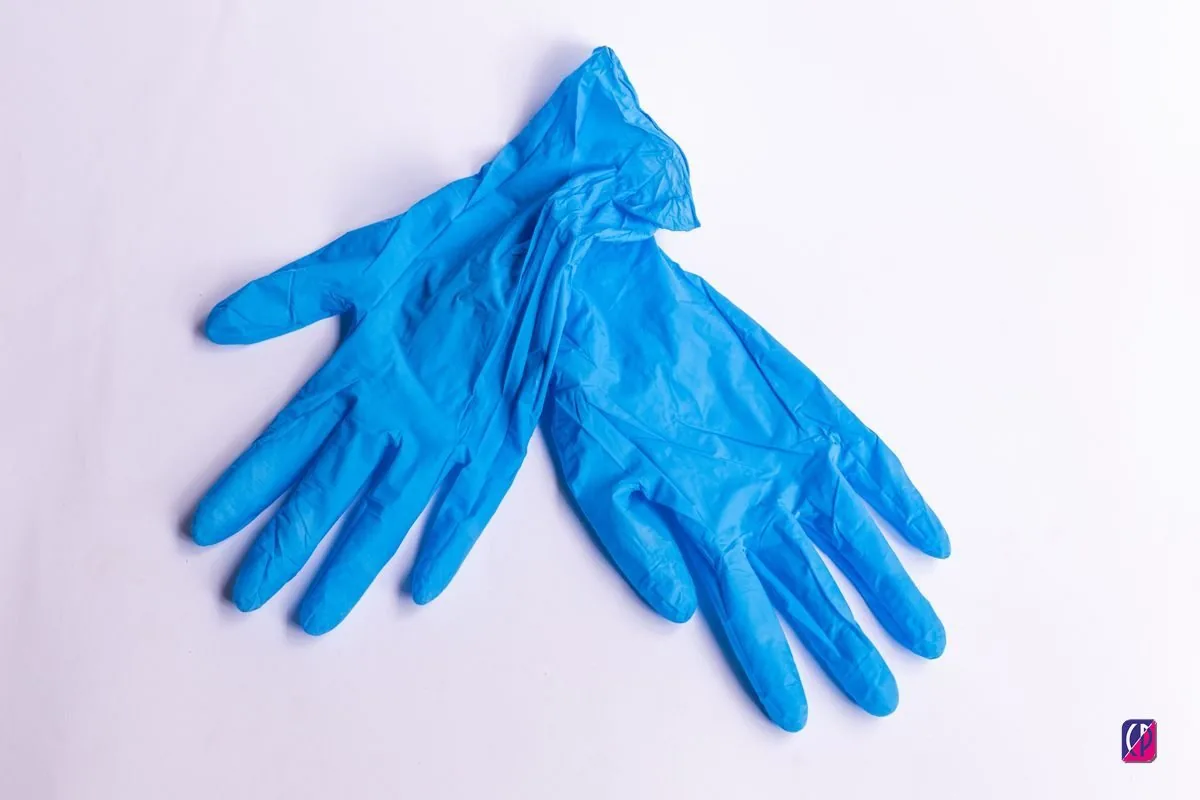
- Nitrile gloves offer the best puncture and chemical resistance of the common food-service options, and don't carry the latex-allergy risk that cotton-latex gloves do. They're the right default for prolonged food-prep tasks, handling raw meat or fish, or any role where durability matters more than cost per pair.
- Plastic (polyethylene) hand gloves are the lowest-cost, single-use option, well suited to quick, low-risk tasks - handling ready-to-eat items briefly, packing, or counter service - where a full nitrile glove is overkill for the task duration.
- Cotton-latex gloves sit in between, offering more grip and dexterity than plastic gloves at a lower cost than nitrile, but they carry a latex-allergy consideration worth flagging to staff before standardising on them across a team.
Many kitchens run more than one type by task rather than standardising on a single glove for everything - nitrile for prep-heavy stations, plastic for quick front-of-house handling. Our hygiene & PPE range covers all three material families across common sizes.
Caps and head coverage: match to the role, not a blanket rule
Bouffant caps offer full hair coverage and suit kitchen and prep roles where any stray hair is a genuine contamination risk; non-woven chef caps offer a lighter, more comfortable option for shorter shifts or supervisory roles where full bouffant coverage may be excessive. The point isn't to buy the most protective option for every role - it's to match coverage level to actual task risk, which usually means stocking both formats rather than forcing one across the whole team.
A practical restocking cadence
Hygiene supplies are consumable at a rate that's easy to underestimate until a kitchen runs out mid-shift - gloves in particular get used far faster than most managers initially budget for, since a single prep task can burn through several pairs if gloves are (correctly) changed between raw and ready-to-eat handling. Rather than reordering reactively when stock runs low, it's worth setting a standing weekly or fortnightly reorder quantity based on actual shift-level usage, with a buffer for unexpectedly busy periods. Running out of gloves or caps mid-service isn't just an inconvenience - it's a compliance gap the moment it happens.
A quick checklist for hygiene and PPE ordering
- Match glove material to task risk and duration, not just to unit cost
- Stock both bouffant and lighter cap formats and assign by role
- Set a standing restocking cadence based on actual shift usage, not reactive reordering
- Flag latex-based gloves to staff before standardising on them team-wide
- Treat hygiene supplies as a real specification line, not a background SKU
For back-of-house cleaning supplies that pair naturally with hygiene and PPE, see our guide to commercial kitchen cleaning supplies. Our Malls & Corporate Offices and Restaurants, QSRs & Cloud Kitchens pages cover how we support hygiene supply at scale for those settings specifically.
Related Content
Related Products
Related Industries
Need help setting a restocking cadence?
Tell us your team size and shift pattern and we'll help you size a standing hygiene supply order.