
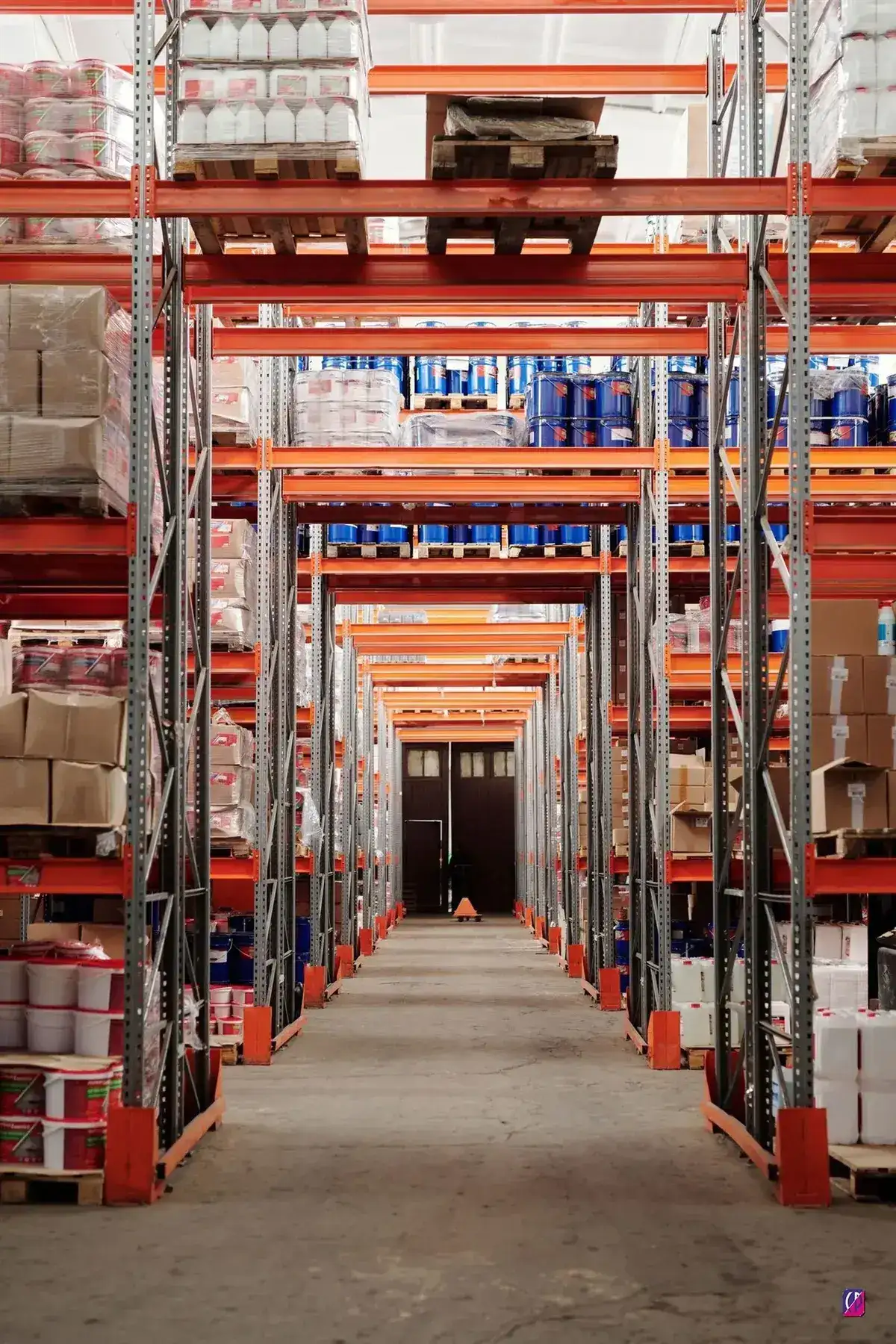
Once packaging leaves our warehouse and arrives at yours, how it's stored and handled has a real effect on whether it performs the way it's supposed to - a container that's structurally fine on delivery can still fail in service if it's been stored badly for a few weeks. This is a warehousing-focused guide for restaurants, hotels and caterers managing their own bulk stock.
Storage conditions that actually affect packaging quality
Heat, humidity and direct sunlight are the three biggest quiet threats to stored packaging. Plastic containers and cutlery can warp or become brittle with prolonged heat exposure near ovens, boilers or un-shaded storage areas. Paper-based products - bags, boxes, napkins, tissue - absorb ambient humidity and can soften, weaken or develop mould risk in damp storage, particularly during humid stretches of the year. Direct sunlight degrades plastics over time and can fade printed branding on bags and boxes faster than most buyers expect. Store bulk packaging in a dry, moderate-temperature area away from direct sun and heat sources - the same discipline that applies to food storage applies here, even though packaging itself isn't perishable in the food-safety sense.
- Keep bulk stock away from ovens, boilers and other direct heat sources
- Store paper-based products in a dry area, especially during humid periods
- Avoid storage locations with direct or prolonged sun exposure
Stock rotation: first in, first out, actually enforced
First-in-first-out sounds obvious, but it's one of the most commonly skipped disciplines in busy kitchen and store-room environments, where new deliveries often get placed in front of or on top of older stock simply because that's the easiest place to put them. The result is older stock sitting at the back degrading quietly while newer stock gets used first - the opposite of what you want. A simple physical convention (new stock always goes behind or below existing stock, oldest stock is pulled first) costs nothing to implement and meaningfully extends the effective shelf life of your packaging inventory.
Handling damage: where it happens and how to prevent it
A surprising amount of packaging damage happens not in transit but in your own storage area - cartons dropped from height, stock crushed under heavier boxes stacked on top, or containers deformed by being wedged into too-tight shelving. Train staff on basic safe-stacking practice (heavier, sturdier cartons at the bottom, lighter or more delicate formats never stacked under weight they weren't designed to bear) and avoid overfilling shelving in a way that forces staff to cram or force stock into place. This is a low-cost fix that directly reduces wastage from damaged, unusable stock.
Space planning for bulk packaging stock
Nesting and stacking efficiency matter twice - once for the packaging itself in use, and again for how much storage footprint your bulk stock takes up. When you're choosing between similar container or tray formats, factor in how compactly a full case stores, not just how the individual piece performs at the point of use. For businesses with genuinely tight storage space, this can be as important a selection criterion as price, since storage space itself has a real cost, whether that's rented space or opportunity cost of space that could hold something else.
A quick checklist for packaging storage and handling
- Store bulk packaging away from heat, humidity and direct sunlight
- Enforce first-in-first-out rotation as a simple physical storage convention
- Train staff on safe stacking to prevent crushing or deformation damage
- Factor storage footprint and nesting efficiency into format selection, not just point-of-use performance
For the operational side of controlling packaging spend, see our guide to reducing packaging costs. And for kitchen-level food-wrap storage specifically, our cling film & food wrap guide covers that narrower case.
Related Content
Managing large packaging stock yourself?
Talk to us about delivery scheduling that matches your storage capacity and usage rate.